
President’s Corner 3rd Quarter Issue 2025
Building a Culture of Mental Wellness in Aviation
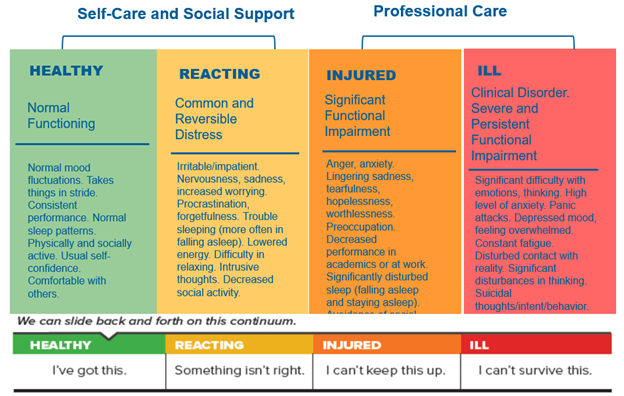
As noted above, there is now global momentum in addressing mental health in aviation, not only for medical certificate holders such as pilots and ATCOs but also key safety personnel, including flight attendants and engineers/mechanics. Peer Support Programs (PSP) are developing across the world in six continents among all aviation safety professionals. Some PSPs are mature, while others are still in their infancy. Many challenges exist in setting up a PSP, including cultural, financial, regulatory, employee/management relations, and mental health professional availability. Fortunately, these groups have several venues to meet and collaboratively address the challenges, as noted by the partial list of conferences listed above.
Similar challenges were overcome before. In an analogous situation, fatigue 20 years ago in aviation was thought by some to be a non-quantifiable risk factor for aviation safety. Some did not even believe it could be addressed in a safety program. Now in 2025, Fatigue Risk Management Programs are nearly universal in professional aviation. Fatigue is an integral part of Safety Management Systems. Mental health is in a similar situation. In addition to the challenges above, the need for quantifying the impact of mental health in aviation, showing a positive benefit for both aviation professionals and their employers as well as the safety of the traveling public, and developing evidence-based nonpunitive policies. If this can be done in a manner that respects the interests of all involved and is administered in an ethical “safety culture” environment, mental wellness could be the next critical piece in aviation Safety Management Systems. Much work still needs to be done. We did it for Fatigue. We can do it again for mental health. If you are interested in participating in this journey, consider joining one or more of the organizations listed above to contribute your thoughts.